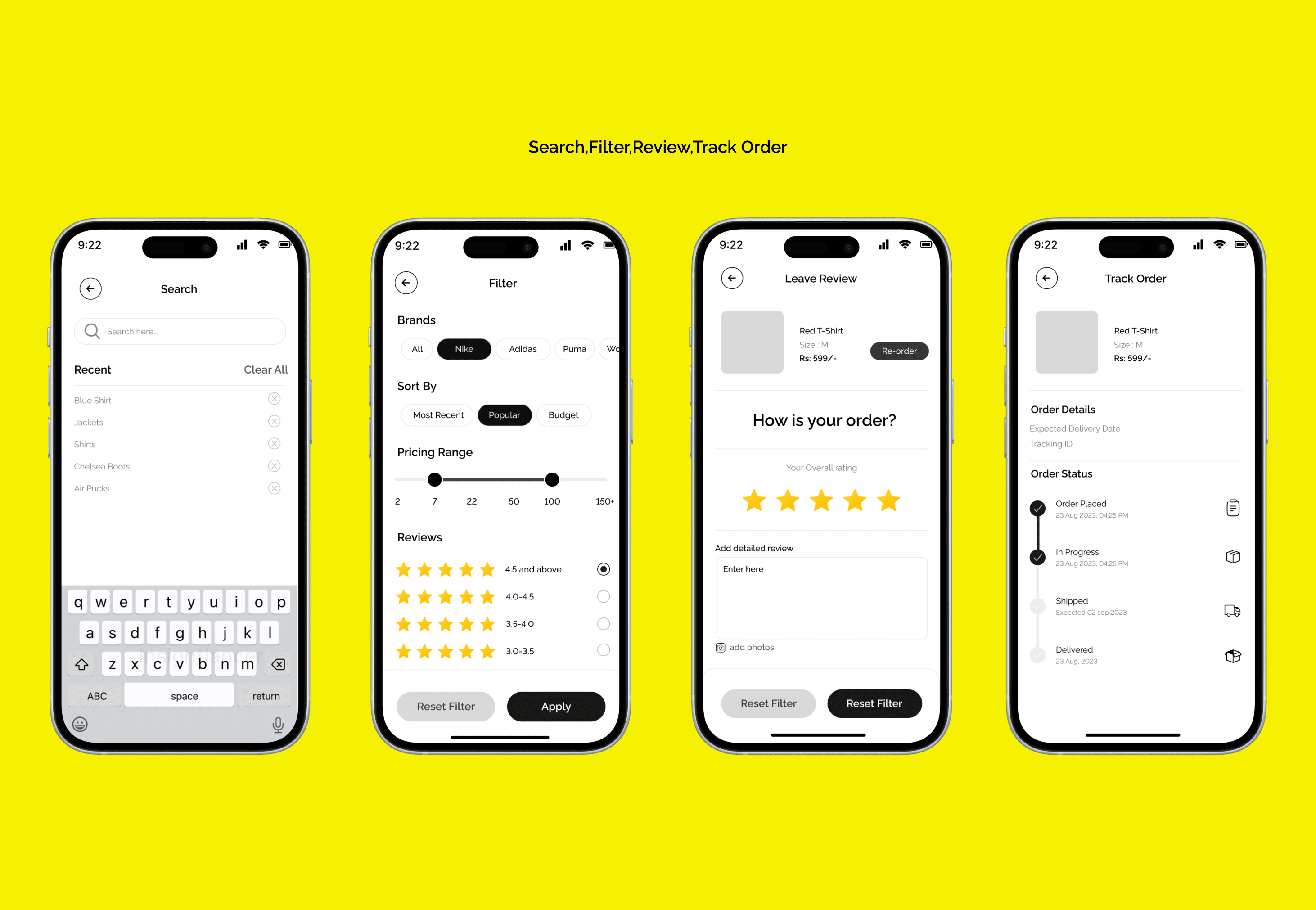
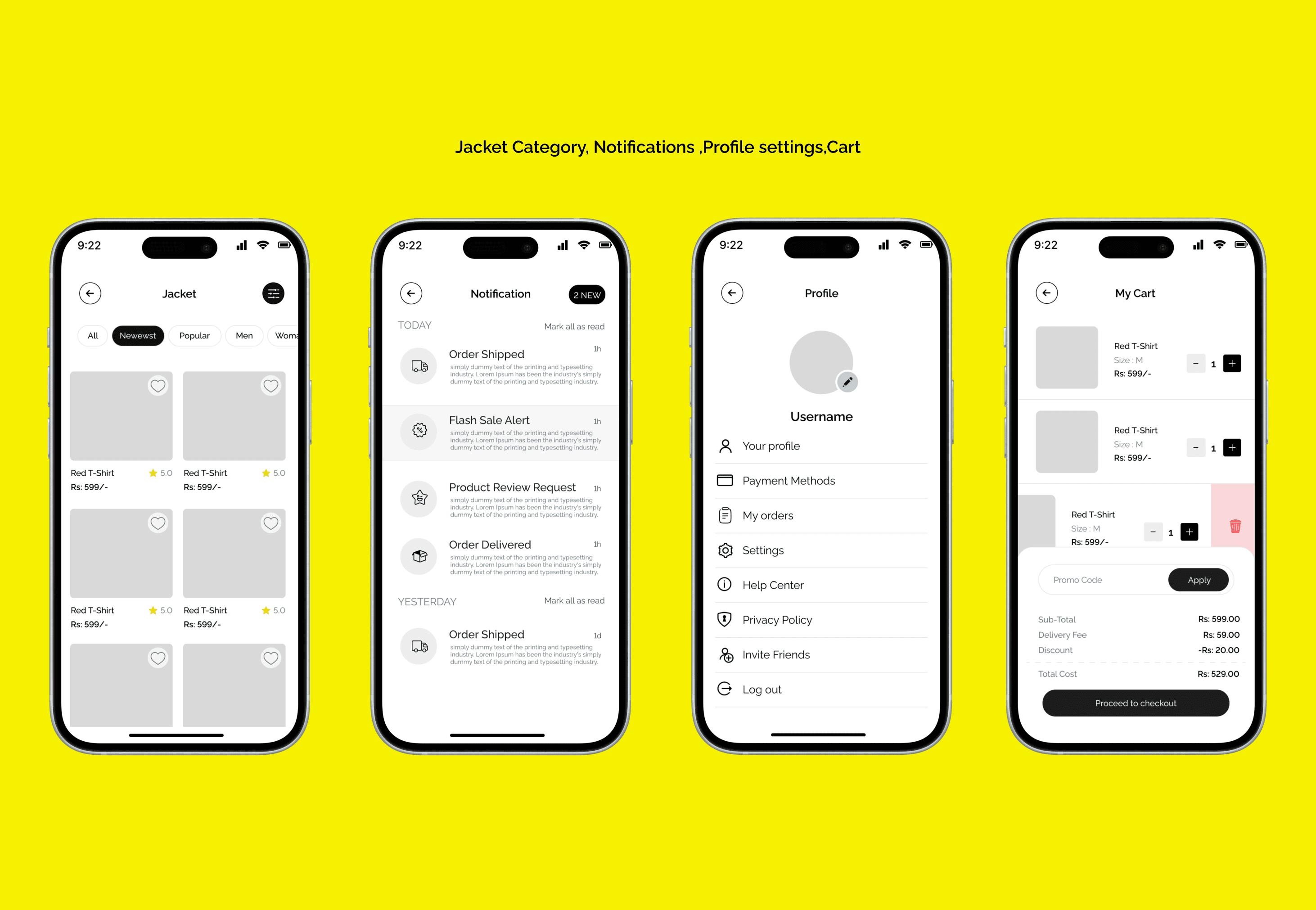
Thrifyco is a UX design project aimed at enhancing the thrift shopping experience through service and system design.

Overview
The project explores the challenges of traditional thrift shopping, identifies opportunities for innovation, and proposes solutions through information architecture, UI design, and technology integration.
Role
As the lead UX designer, my role in this project was to conduct user research, develop the information architecture, and design the digital interface. I collaborated with a team of researchers and stakeholders, including service providers and product managers, to ensure that our designs were aligned with business goals and user needs. I also facilitated brainstorming sessions and workshops to ideate on solutions that would improve the overall user experience for thrift shoppers.
Objectives
Enhance Usability: Create a seamless, accessible thrift shopping experience for both physical and digital platforms.
Promote Sustainability: Encourage eco-conscious practices by making secondhand shopping more appealing.
Build Trust: Address concerns about quality, hygiene, and online transaction security.
Expand Reach: Attract diverse audiences, from budget-conscious shoppers to Gen Z seeking unique and vintage items.
Research Approach
1. Primary Research
Survey Questions:
How often do you shop for thrifted items?
What motivates you to choose secondhand products?
Have you faced challenges with online thrift shopping (e.g., usability, payment security)?
What features or improvements would enhance your experience?
Insights:
Users on a budget prioritize affordability and sustainability.
Gen Z values unique finds and variety but demands more digital accessibility.
Common pain points include poor website navigation, lack of search/filter options, and concerns over product hygiene and return policies.
Older shoppers desire clarity and convenience but often find digital platforms overwhelming.
Interviews:
Targeted interviews with participants aged 20-50 revealed:
Young Adults (20-30): Emphasized product variety and a streamlined checkout process.
Older Adults (30-50): Highlighted the need for simple, accessible interfaces and clear return policies.
2. Secondary Research
Market Trends: Growing popularity of sustainable fashion and the rise of online thrift platforms.
Customer Behavior: Shoppers see thrift shopping as a "treasure hunt," valuing unique finds and DIY opportunities.
Technology Trends: Increasing demand for mobile apps, virtual try-ons, and secure digital payments.
Service and System Design
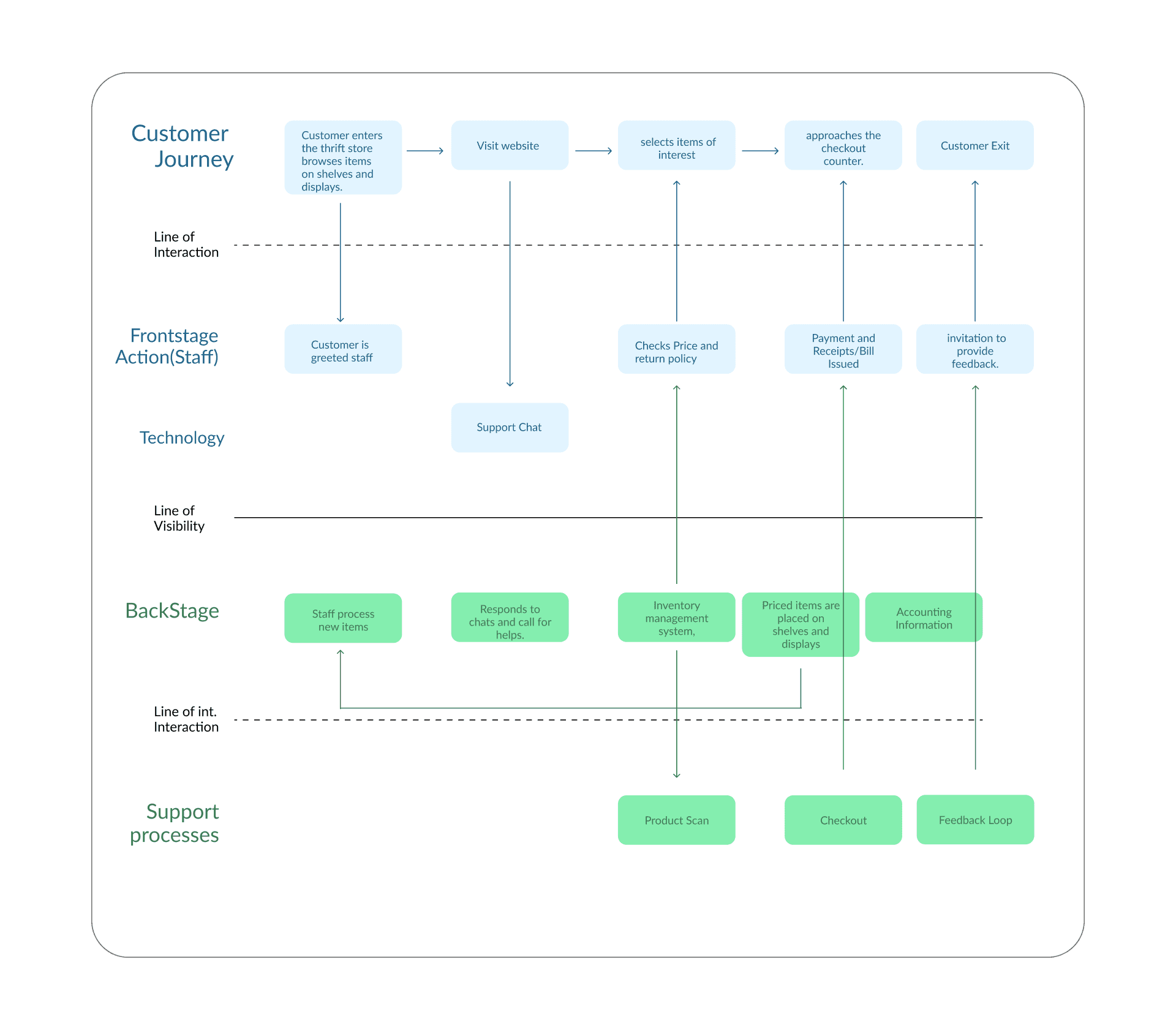
Service Design Framework
Key Components:
People:
Service providers: Thrift store employees, volunteers.
Customers: Budget-conscious individuals and eco-conscious Gen Z shoppers.
Props:
Physical: Organized store layouts, appealing product displays.
Digital: An intuitive online platform for browsing, purchasing, and feedback.
Processes:
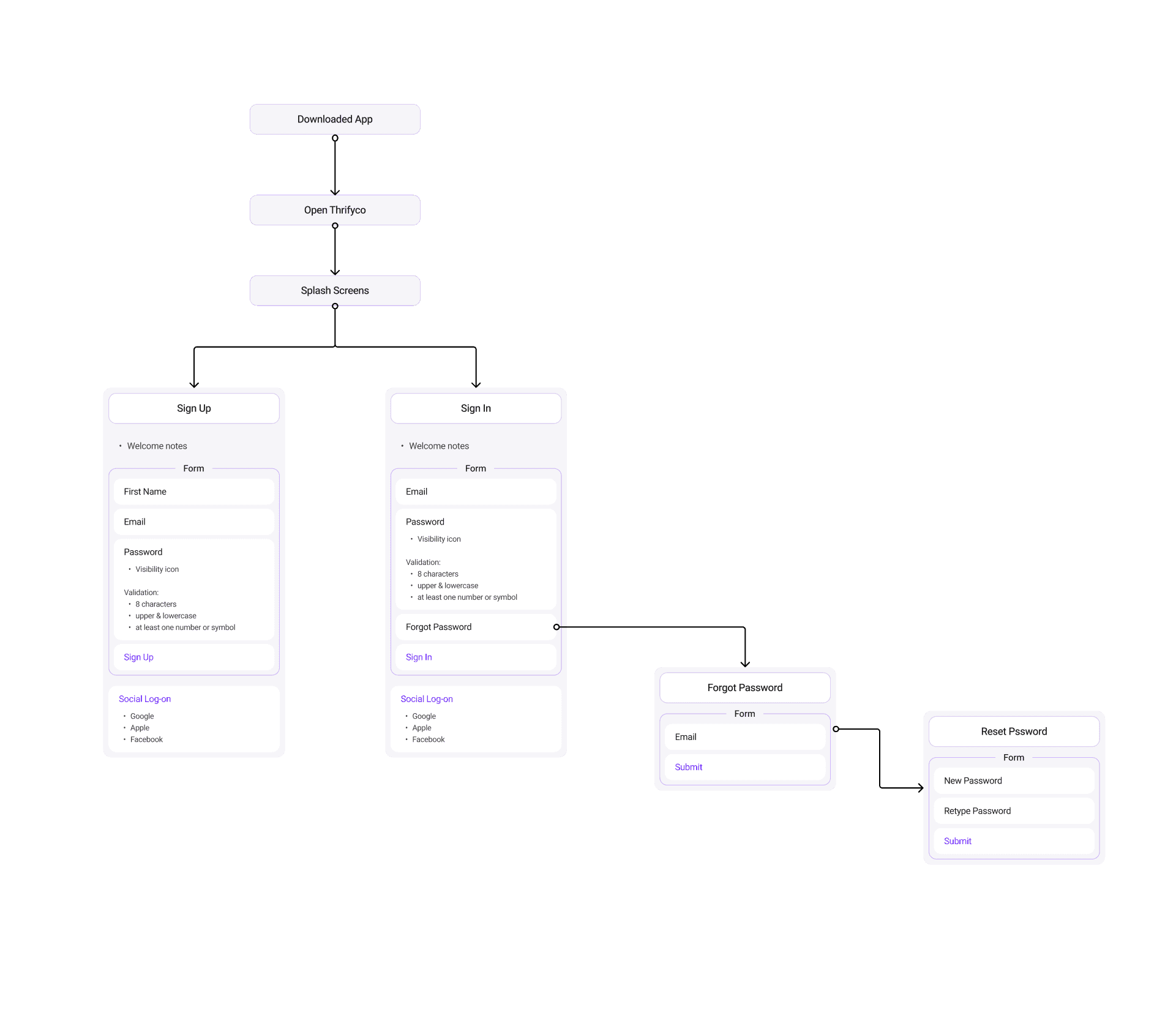
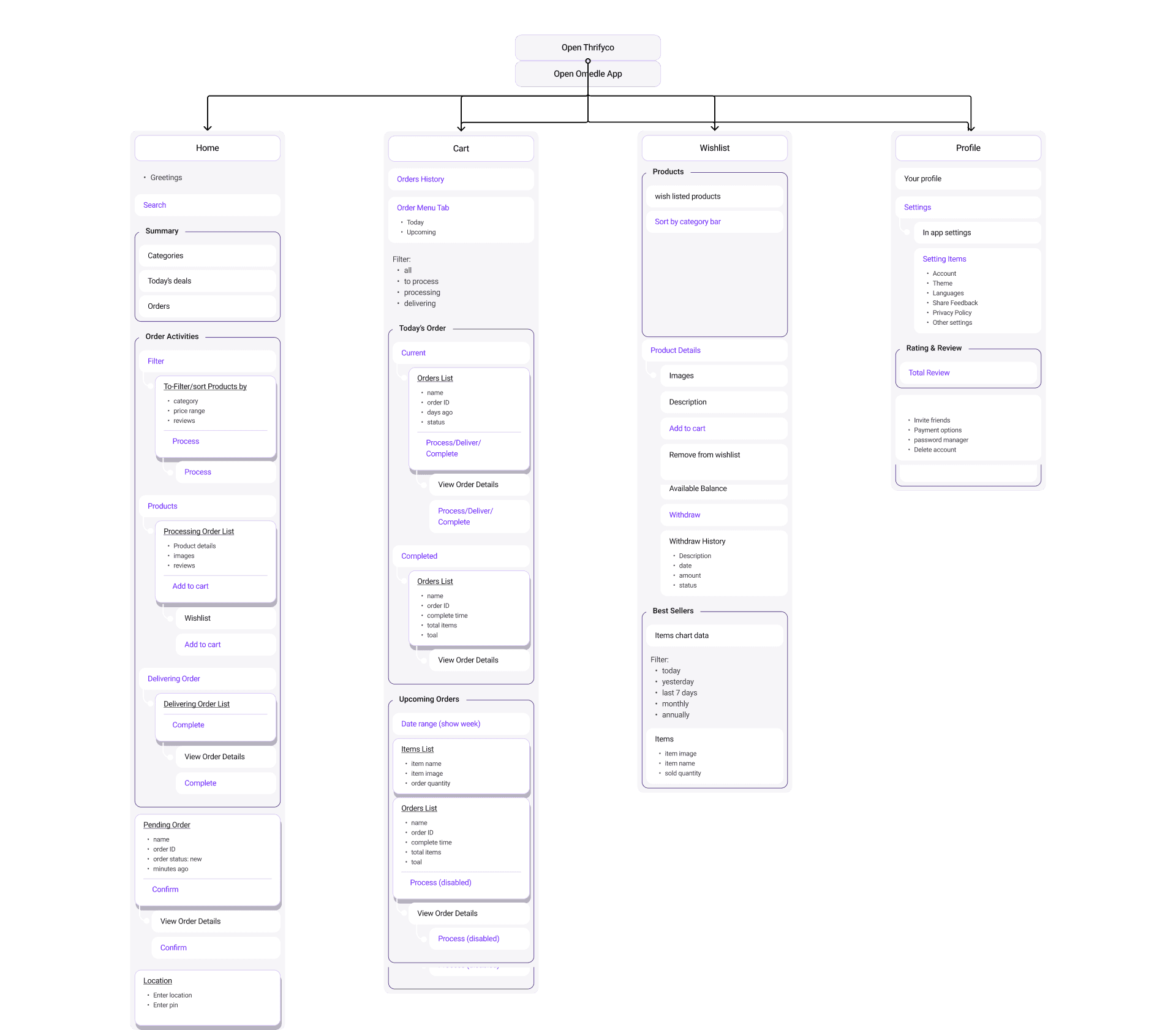
Frontstage: Steps like browsing, selecting, and purchasing items.
Backstage: Efficient workflows for sorting, pricing, and inventory management.
Feedback Loop: Regular customer feedback collection to drive improvements.
Challenge
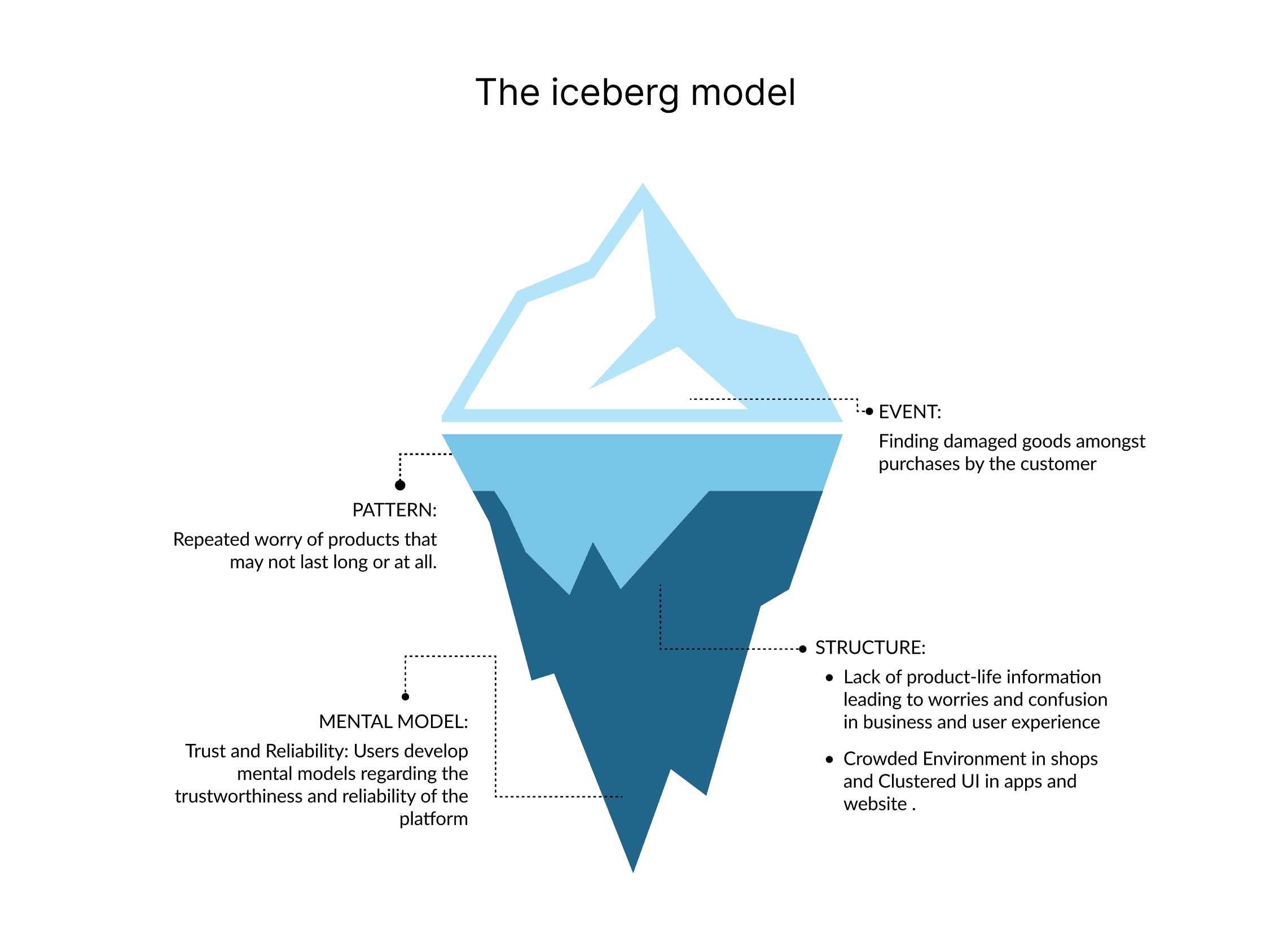
One of the main challenges during the ThriftyCo project was balancing the needs of diverse user groups, such as Gen Z seeking digital innovation and older adults preferring simplicity. Additionally, addressing trust issues around product quality and hygiene, while maintaining an intuitive and engaging design, required careful consideration of both digital and physical shopping experiences. Finally, ensuring seamless integration of sustainability practices without overwhelming users with too much information was a key challenge to navigate.
Solution
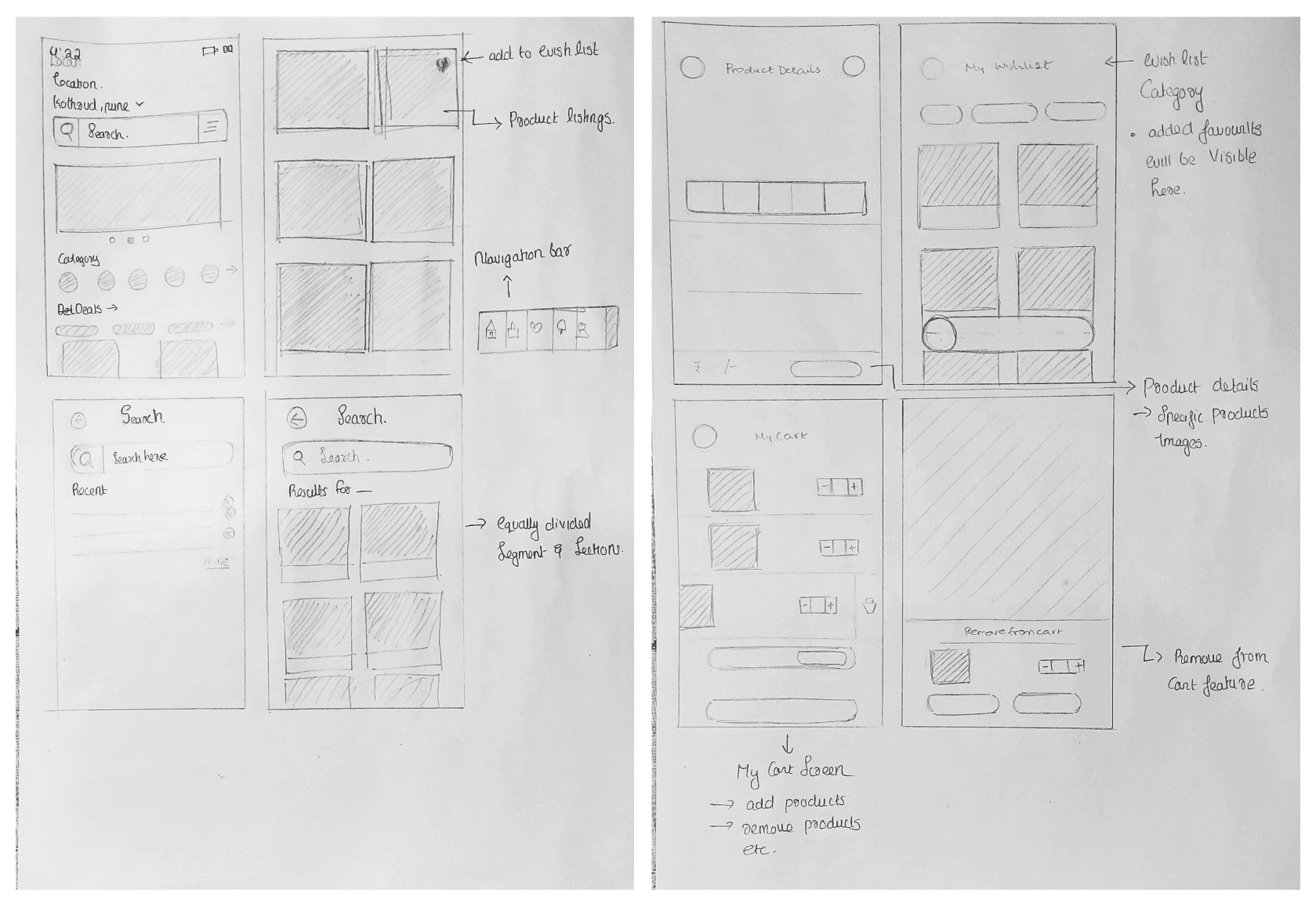
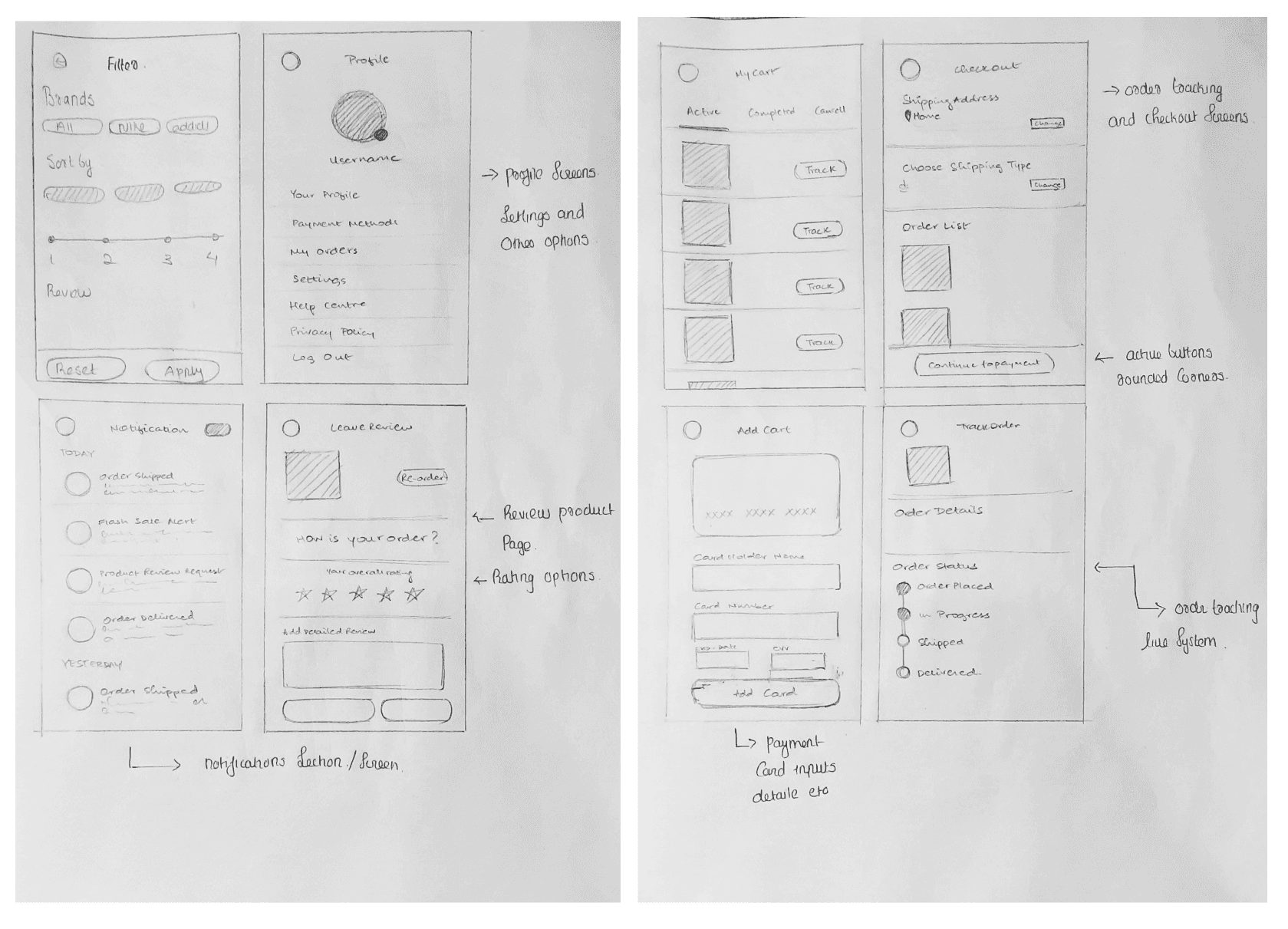
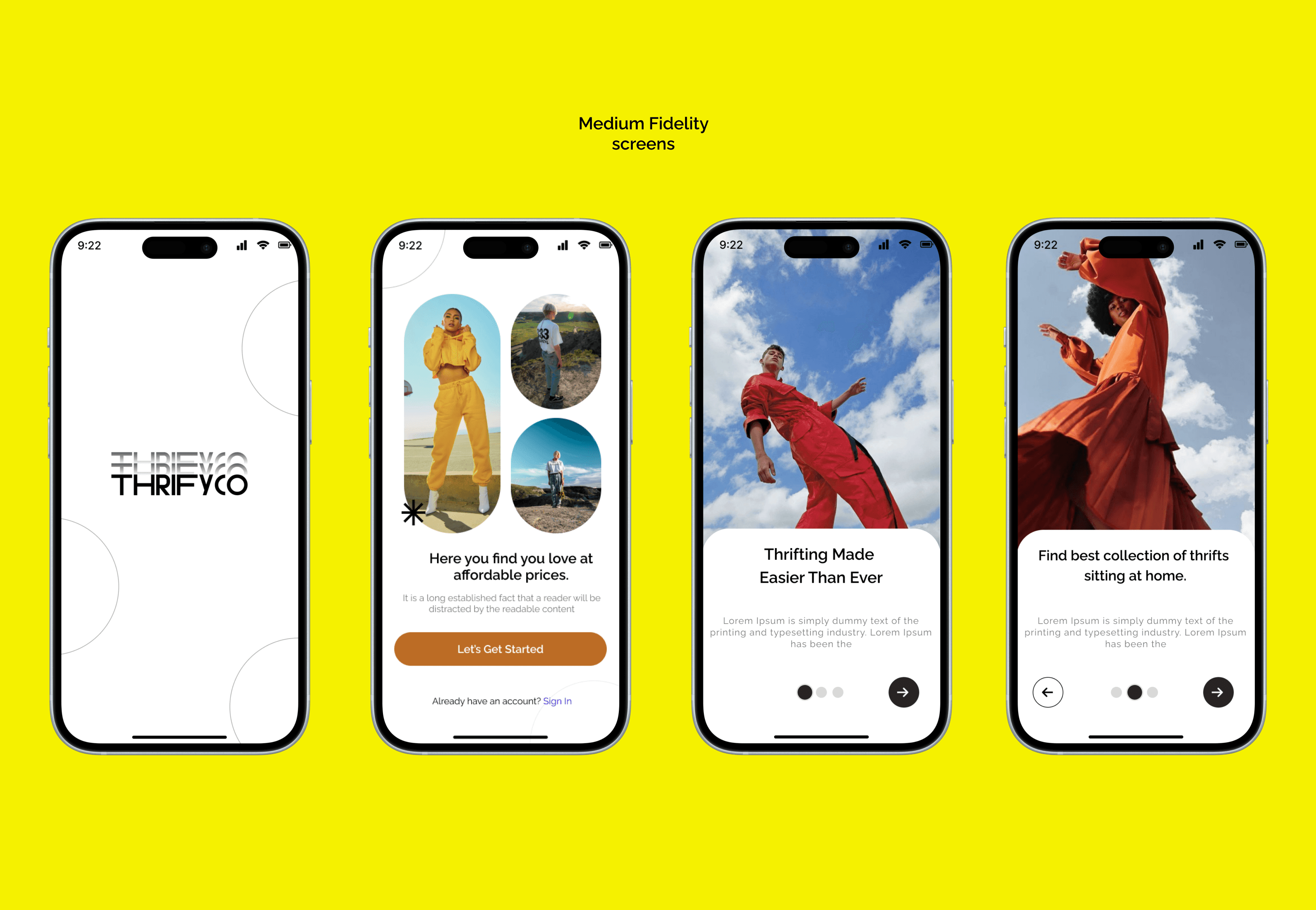
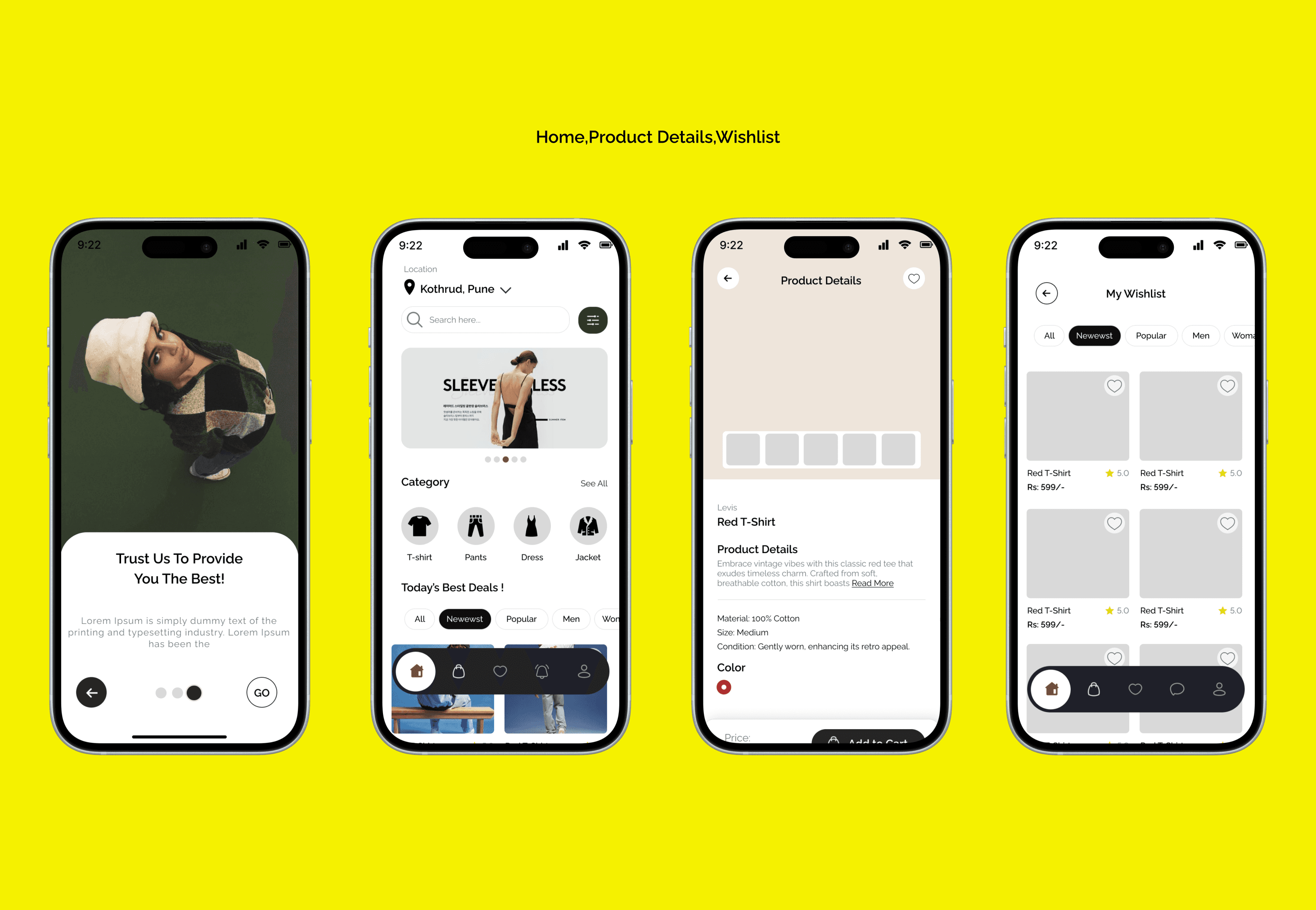
Seamless Navigation: Simplified store layouts and digital interfaces with intuitive design.
Transparency: Provide detailed product information, including quality ratings.
Sustainability: Highlight eco-friendly practices and encourage recycling.
Trust Building: Incorporate secure payment systems and clear return policies.